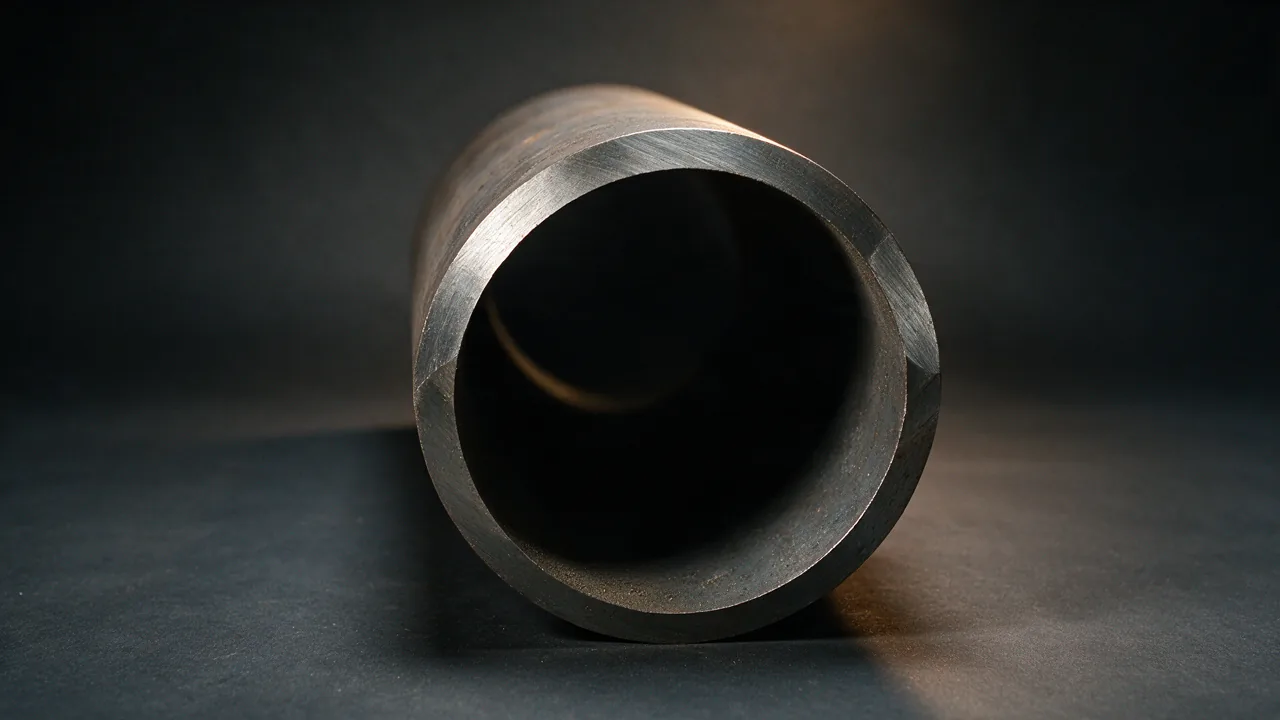
Impact tested seamless and welded pipe to ASTM A333 Grades 1, 3, 4, 6, 7, 8, 9, 10 and 11 for low temperature service down to minus 101 degrees C.
- Standard: ASTM A333, ASME B36.10, ASME B36.19
- Grades: Grade 1, Grade 3, Grade 4, Grade 6, Grade 7, Grade 8, Grade 9, Grade 10, Grade 11
- Certificate: EN 10204 3.1 with every order, 3.2 on request
Mejor Steel is the export agent for the mills that make your material: one contract, one delivery date, and the mill named on the quotation. How we supply
We reply within one business day, Monday to Friday 09:00-18:00 CST. Or write to info@mejorsteel.com / WhatsApp.
Specifications
| Outer diameter | 1/2" - 48" |
|---|---|
| Wall thickness | SCH 10 - SCH XXS |
| Length | SRL, DRL, 20 FT, 40 FT, or custom |
| Ends | Plain, beveled, threaded |
| Surface treatment | Black painting, varnish, 3PE, FBE, cold insulation |
| Manufacturing process | Seamless and welded |
| Pressure rating | Low temperature and cryogenic service |
Why Low Temperature Pipe Needs Impact Testing
Carbon steel undergoes a ductile to brittle transition as temperature falls. Above the transition temperature the material absorbs energy by deforming plastically; below it, fracture becomes brittle and can propagate catastrophically at low stress. ASTM A333 addresses this by requiring fully killed steel with fine grain practice and controlled chemistry, and by mandating charpy V-notch impact testing at a specified low temperature. The test proves that the material retains notch toughness at the service temperature rather than merely assuming it from room temperature data, which is what separates A333 from ordinary A106 or A53 pipe, and what makes the material selection depend on the design metal temperature. Every heat is tested.
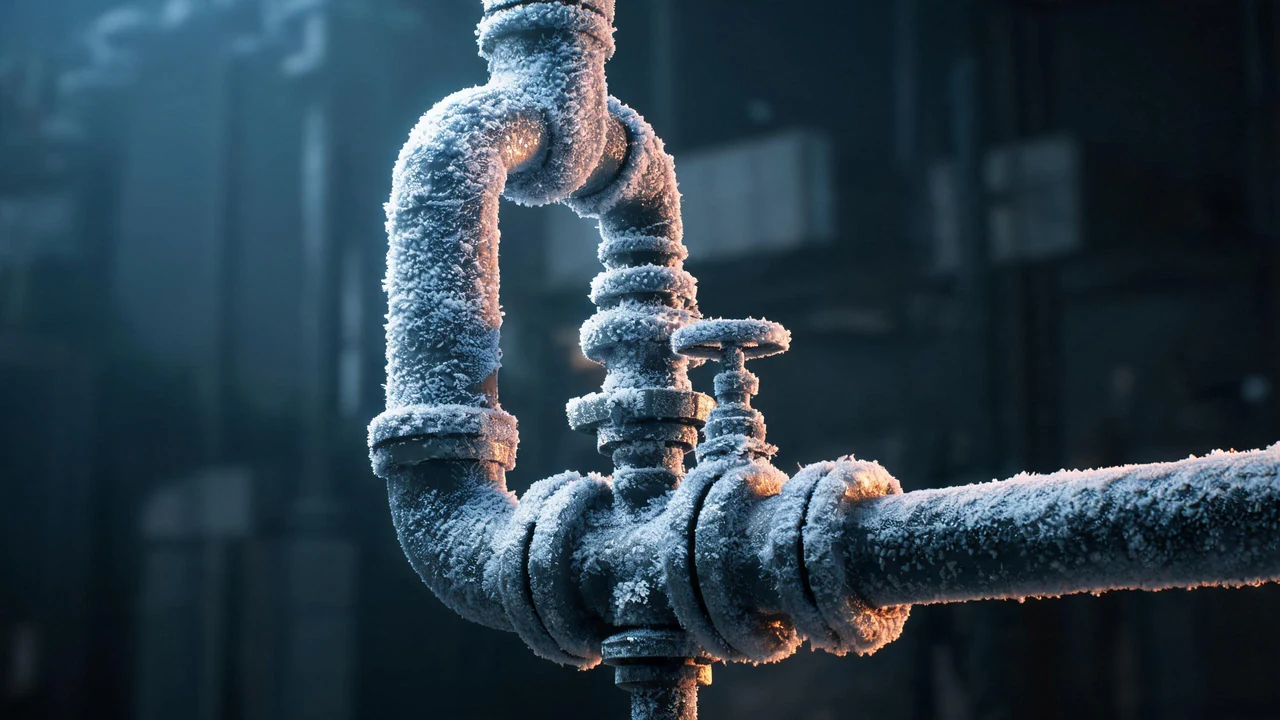
Grade Selection by Service Temperature
The A333 grades are matched to service temperature. Grade 1 is carbon steel for service down to minus 45 degrees C. Grade 6, also carbon steel but with a higher manganese and silicon content, is by far the most widely used and covers the same minus 45 degrees C range; it is the usual choice for low temperature carbon steel process piping. Grade 3 is 3.5 percent nickel steel, impact tested at minus 100 degrees C (minus 150 degrees F). Grade 7 is 2.03 to 2.57 percent nickel, impact tested at minus 75 degrees C (minus 100 degrees F). Grade 8 uses 9 percent nickel for the most severe cryogenic duty down to minus 195 degrees C. Grade 4 is similar to Grade 1 but with restricted chemistry. When specifying, always state both the grade and the required impact test temperature.
A333 pipe: the design metal temperature picks the grade
ASTM A333 is impact tested pipe for low temperature service and the grade number is chosen against temperature rather than against strength. Grade 1 is the baseline carbon steel; Grades 3, 4, 6, 7, 8, 9 and 10 reach progressively lower temperatures, with Grade 11 as the austenitic option for the coldest duty.
| Service condition | What it decides | What to state on the enquiry |
|---|---|---|
| Service down to about -45 C | Grade 1 or Grade 6, both impact tested at the service temperature | the design metal temperature, not the ambient temperature |
| Service to about -100 C | Grade 3 for the 3.5% nickel steel, Grade 7 for the 2.03-2.57% nickel steel | the temperature, and the impact energy required |
| LNG or cryogenic piping | Grade 8 or Grade 11, nickel steel or austenitic | the minimum temperature and the test standard |
| Cold climate above ground line | Impact testing is the requirement; the grade number follows from it | the test temperature, and whether testing is per heat or per length |
| Insulated or buried cold line | The insulation and coating system follows the pipe specification | whether cold insulation is in scope |
| Welded construction | The filler metal has to match the low temperature duty | the welding consumable specification |
What is LTCS pipe and which grade should I use?
LTCS stands for low temperature carbon steel and almost always refers to ASTM A333 Grade 6. It is the standard low temperature carbon steel for process piping down to minus 45 degrees C and is specified by impact testing at that temperature. If your service temperature goes below minus 45 degrees C you need to step up to a nickel steel such as Grade 3 (3.5 Ni, minus 100 C) or Grade 8 (9 Ni, minus 195 C).
What impact test temperature should be specified?
The test temperature should be at or below the minimum design metal temperature of the piping. Common specifications are 0 degrees C, minus 20 degrees C, minus 29 degrees C and minus 45 degrees C. ASTM A333 Grade 6 is normally tested at minus 45 degrees C (minus 50 degrees F). Minimum absorbed energy is typically 18 J average with no single value below 14 J for standard sizes, though project specifications often require higher values such as 27 J. Always state both the temperature and the energy requirement.
Grades supplied and minimum properties
The grade fixes the minimum strength and the chemistry. The table below gives the requirements that separate the ASTM A333 grades ordered most often; the full composition and mechanical table for each grade is on its own page.
| Grade | Yield strength | Tensile strength |
|---|---|---|
| Grade 3 | 275 MPa min (40,000 psi) | 485 MPa min (70,000 psi) |
| Grade 6 | 240 MPa min (35,000 psi) | 415 MPa min (60,000 psi) |
The complete chemistry and mechanical table for each grade, with the notes that qualify it, is on the individual grade page – for example ASTM A333 Grade 6 pipe. Grade 6 is the carbon grade and Grade 3 the 3.5% nickel grade; what separates them is the impact test temperature, not the strength table.
Source: specified minimum yield and tensile strength for each grade, per ASTM A333 / ASME SA333, Table 2. The standard is the governing document.
- Grade 1
- Grade 3
- Grade 4
- Grade 6
- Grade 7
- Grade 8
- Grade 9
- Grade 10
- Grade 11
Download ASTM A333 Low Temperature Steel Pipe data sheet (PDF) One page: supply range, grades and key sizes, what to state on the enquiry, and the inspection documents that come with the order. The standard is the governing document.
Materials
- Carbon steel
- Low alloy steel
- Nickel steel
- Stainless steel
Typical applications
- LNG and cryogenic piping
- Cold climate oil and gas lines
- Refrigeration systems
- Low temperature process piping
- Compressor and gas processing stations
Inspection & testing
- Charpy V-notch impact test at specified temperature
- Ultrasonic testing
- Hydrostatic pressure test
- Tensile and yield testing
- Hardness testing
- Third-party inspection (SGS, BV, TUV)
| Packaging | Sea-worthy export packing: bundled by size, plastic caps on both ends, corrosion protection on request, stencilled with size, grade and heat number. |
|---|---|
| MOQ | One bundle or one truckload; mixed sizes within a bundle accepted. |
| Lead time | Stock sizes: 7-15 days. Mill run / non-stock: 4-6 weeks after order confirmation. |
Payment: T/T 30% deposit with the balance before shipment; L/C at sight also accepted. Final terms are confirmed on the quotation.
How we supply: sourced through partner mills; the producing mill is named on the quotation. How we supply sets out who is accountable for the order.
Need this product? Send the size, grade, quantity and destination port and we will reply with availability and pricing.
Request a quotation