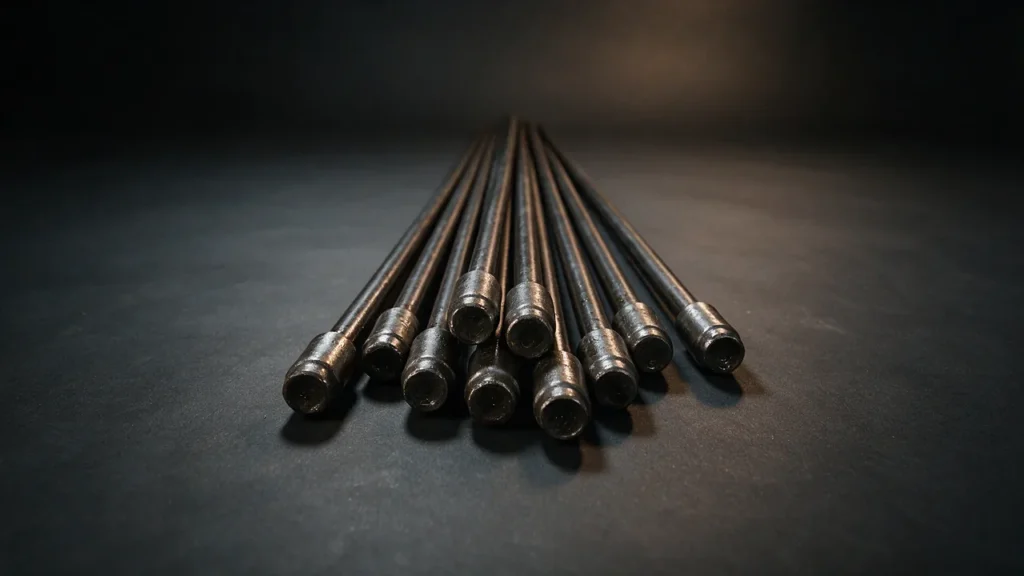
Sucker rods are the only line here that moves rather than carries. A rod string hangs from the pumping unit and reciprocates inside the tubing, so the parts are bought by the load they carry and by how long they last before a connection or a guide wears out. Failure is almost never a burst; it is fatigue at a coupling, wear at a guide, or a pin made up to the wrong torque.
API 11B · ASTM A29 · NACE MR0175 · API 11BR · API 15HR · API 6A · ASTM A105
Send an enquiryWe reply with availability and pricing within one business day.
- Standards: API 11B · ASTM A29 · NACE MR0175 · API 11BR · API 15HR · API 6A · ASTM A105
- 10 products in this line
- Certificate: EN 10204 3.1 with every order, 3.2 on request
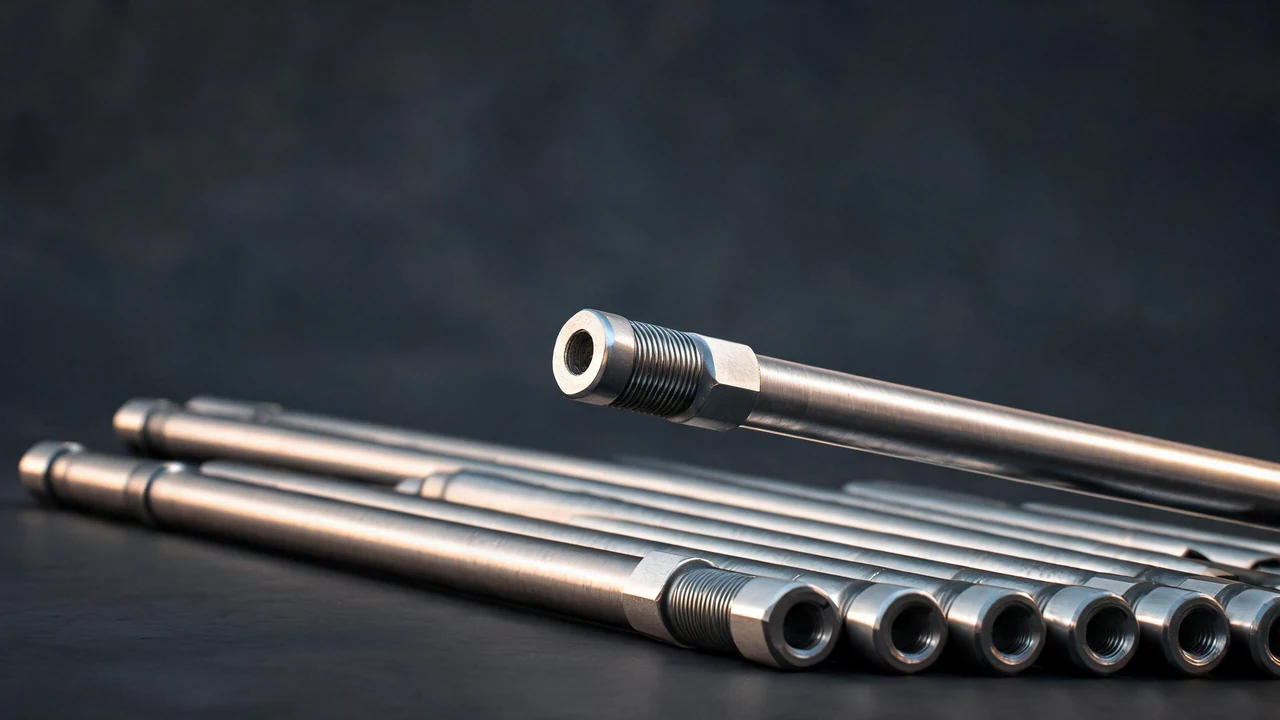
Mejor Steel is the export agent for the mills that make your material: one contract, one delivery date, and the mill named on the quotation. How we supply
We reply within one business day, Monday to Friday 09:00-18:00 CST. Or write to info@mejorsteel.com / WhatsApp.
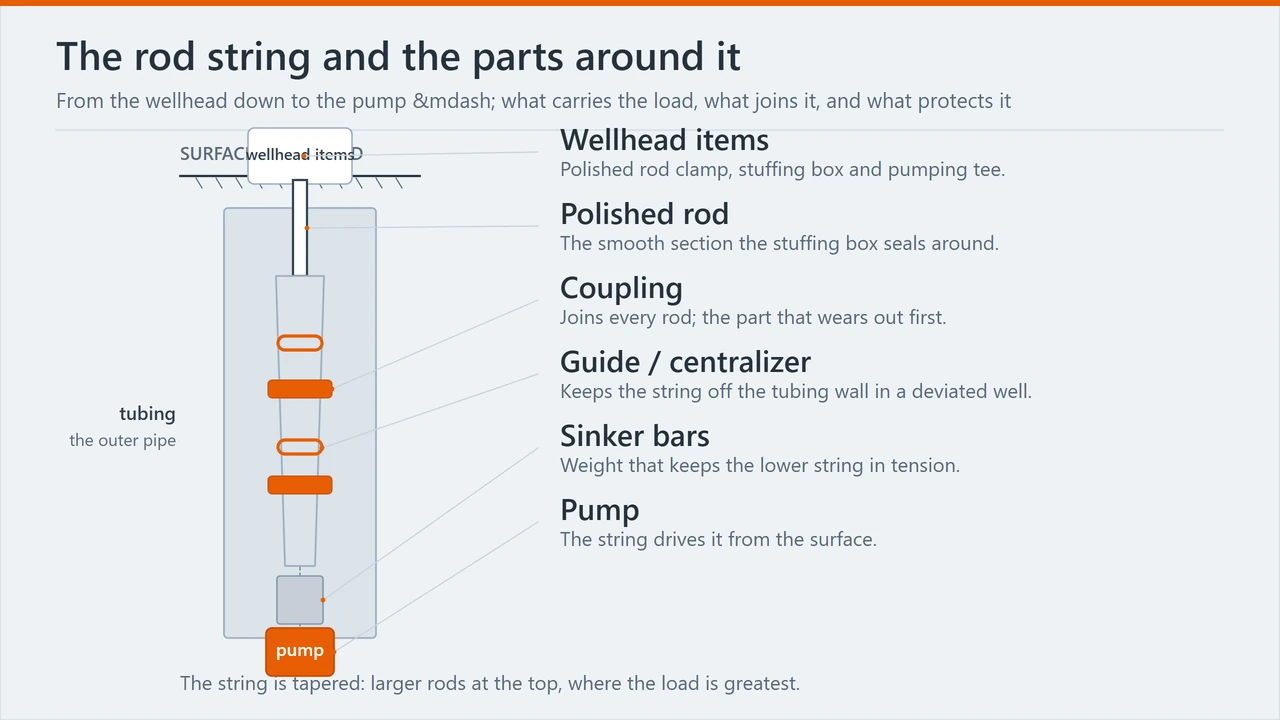
The rod string and the parts around it
A string runs from the carrier bar down to the pump. The polished rod is the smooth section at the wellhead; sucker rods and pony rods make up the length through the tubing; sinker bars sit above the pump to keep the string in tension where the well is gassy. Every joint is a coupling — the part that actually fails when a string is run too fast or in a deviated hole. Around the string sit the wellhead items: the polished rod clamp, the stuffing box that seals around the polished rod, and the pumping tee that carries the production outlet and vents casing gas.
For the grade most rod strings are quoted in, see the API 11B Grade D sucker rod specification page.
| Part | What it does | Page |
|---|---|---|
| API 11B sucker rods | The main string, run in 25 ft joints, in Grades C, D, K, KD, HL and HY | API 11B sucker rod |
| Polished rods | The smooth section at the wellhead that the stuffing box seals around | Polished rod |
| Pony rods | Short lengths that land the string at the right depth | Pony rod |
| Sinker bars | Weight above the pump that keeps the string in tension in a gassy well | Sinker bar |
| Couplings | Join the rods; Class T or Class SM for wear resistance | Sucker rod coupling |
| Guides and centralizers | Keep the string off the tubing wall in deviated wells | Sucker rod guide |
| Wellhead items | Polished rod clamp, stuffing box and pumping tee | Clamp / Stuffing box / Pumping tee |
| Continuous and FRP rods | Coupling-free rod or fiberglass rod for special service | Continuous sucker rod |
Grades and minimum properties are on the individual rod pages, because the grade is chosen against the load and the well condition rather than against the line.
What we supply: sizes, grades and lengths
The table is the size and length range for this line. Rod diameters run 5/8 to 1-1/4 in (15.9 to 31.8 mm) as the API 11B standard; Grades C, D, K, KD, HL and HY cover the load and the produced fluid.
| Part | Size | Grade or rating | Length |
|---|---|---|---|
| API 11B sucker rods | 5/8–1-1/4 in | C, D, K, KD, HL, HY | 25 ft standard, 2–30 ft special |
| Polished rods | 3/4–1-1/2 in | C, D, K, KD, HL, HY | 8–26 ft |
| Pony rods | 5/8–1-1/4 in | C, D, K, KD, HL, HY | 2–12 ft, or custom |
| Sinker bars | 3/4–1-1/2 in | C, D, K, KD | 2–25 ft, commonly 8–25 ft |
| Continuous / FRP rods | 3/4–1-1/4 in / 5/8–1 in | D, KD, FRP | continuous; FRP 30–37.5 ft |
| Couplings | for 5/8–1-1/4 in rods | Class T, Class SM | 4–5-1/2 in |
| Wellhead items | for 3/4–1-1/2 in polished rods | A105, A350 LF2, F316; up to 5000 psi | per type |
What the well decides before the grade is chosen
The rod string is designed against the load and the well condition, not just the size. The grade carries the load: carbon Grades C and D for ordinary service, nickel Grades K and KD where the produced fluid is corrosive, and HL and HY for the high loads of deeper, heavier strings. A deviated well adds side wear, which is what the guides and the coupling grade address. A gassy well loads up and puts the lower string in compression, which is what the sinker bars prevent.
The string is tallied by joint count against the well depth, and the grade of every joint has to match the design — a mixed-grade string is a design change, not a stock change.
Where sucker rod orders go wrong
Sucker rod failures are almost never a burst. The five below end in a rod parted, a coupling worn through, or a string that will not make the depth.
| What goes wrong | Why it happens | What prevents it |
|---|---|---|
| A pin made up to the wrong torque | The connection is the weak point; under-torqued pins back off and over-torqued pins yield. | Make up to the API 11B torque for the rod size and grade, and record it. |
| A coupling worn through in a deviated well | The string rubs the tubing wall where the hole deviates. | Add guides and centralizers, spaced for the deviation. |
| The string does not tally to the well depth | Joint lengths were not fixed, so the count does not land the pump at depth. | Fix the length — 25 ft standard, or pony rods — and the total metres. |
| A carbon string in a corrosive well | Grades C and D are not chosen for the produced fluid. | Answer the corrosion question before the grade, and use K or KD where the fluid is corrosive. |
| A gassy well that loads up | Without sinker bars the lower string goes into compression and can buckle. | Add sinker bars above the pump where the well is gassy. |
Frequently asked questions
What is the difference between Grade C and Grade D?
Both are carbon grades; Grade D carries a higher load than Grade C. The exact tensile and hardness for each grade are on the grade pages, and the grade is chosen against the load the string will see.
When do I use K or KD instead of carbon?
K and KD are the nickel grades, specified where the produced fluid is corrosive. Carbon Grades C and D are not chosen for that service.
Do the guides and centralizers come with the rods?
Yes, they are ordered with the string. They are spaced against the well deviation, because they stop the couplings and the rod body from rubbing the tubing wall.
What does a sinker bar do?
It adds weight above the pump to keep the lower string in tension in a gassy well. Without it, the string can go into compression on the downstroke.
What to state on the enquiry
- Rod size and grade: C, D, K, KD, HL or HY
- Length: 25 ft standard, or the total string length and the well depth
- Coupling grade: Class T or Class SM
- Whether the well is deviated or gassy (guides / sinker bars)
- Wellhead items needed: clamp, stuffing box, pumping tee
- Quantity and destination port
Rod Accessories3
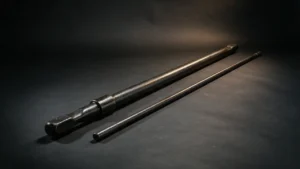
 Pony RodAPI 11B · NACE MR0175Pony rods from 2 ft to 12 ft for adjusting sucker rod string length, in the same grades and sizes as standard…
- Sinker BarAPI 11B · NACE MR0175Sinker bars placed above the pump to add weight and keep the rod string in tension, in sizes from 3/4 inch to…
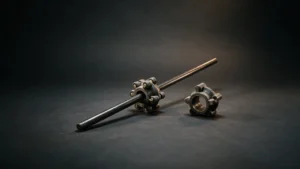
- Sucker Rod GuideAPI 11B · API 11BRSucker rod guides and centralizers in wheeled, fluted and snap-on designs to reduce rod and tubing wear in deviated and horizontal wells.
Surface Equipment3
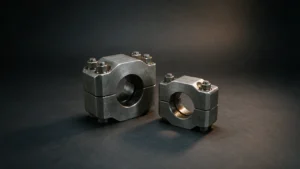
- Polished Rod ClampAPI 11B · API 11BRPolished rod clamps to grip the polished rod and carry the rod string load from the pumping unit, in sizes from 3/4…
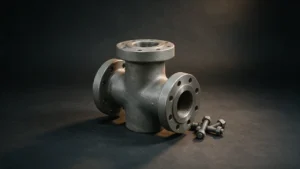
- Pumping TeeAPI 6A · API 11BPumping tees for rod pumping wellheads, allowing the polished rod to pass through while providing outlets for production and casing gas.
- Stuffing BoxAPI 11B · API 6AWellhead stuffing boxes for rod pumping wells, sealing between the polished rod and the wellhead, in standard and high pressure designs.
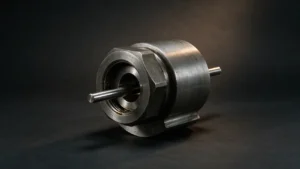
Sucker Rods2
- API 11B Sucker RodAPI 11B · ASTM A29Steel sucker rods to API 11B in grades C, D, K, KD, HL and HY, sizes from 5/8 inch to 1-1/4 inch,…
- Continuous Sucker Rod and FRP Sucker RodAPI 11B · API 11BRContinuous steel sucker rod and fiberglass reinforced plastic sucker rods for reduced connection failures and reduced rod string weight.
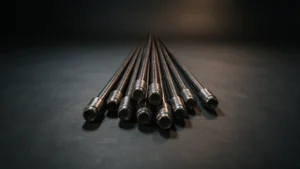
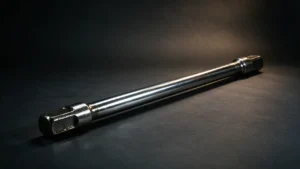
Sucker Rods – grades, materials and ordering
| Grades | C · D · K · KD · HL · HY · FRP standard · FRP high load · A105 · A350 LF2 · F316 · N/A - accessory item |
|---|---|
| Materials | Carbon steel · Alloy steel · Carbon-manganese steel · Fiberglass reinforced plastic · Epoxy resin with glass fiber · Stainless steel coating · Forged carbon steel · Hardened steel slips |
| Typical service |
|
| Minimum order | One bundle (by set); mixed sizes accepted. |
| Lead time | Stock sizes: 7-15 days. Made to order: 4-6 weeks after order confirmation. |
| Packing | Sea-worthy export packing: bundled in steel-strapped racks, thread protectors fitted, tagged with size, grade and heat number. |
How an order runs end to end — payment terms, inspection and release, packing and marking, and the documents that travel with the goods — is set out on how to order. Which standard applies to your service is covered under standards and grades; what is verified and tested on every order, and what the certificate says, under quality control. Which documents can travel with an order, and who issues each one, is listed under certifications and documents; who you would be buying from, and what we are accountable for on an order, is on about Mejor Steel.
Need a specific size, grade or quantity? Send the specification and the destination port and we will reply with availability and pricing.
Request a quotation